
What a chimney inspection actually costs
| Inspection level | Starting price | What it covers |
|---|---|---|
| Level 1 (standard) | $59 | A full visual check of the firebox, damper, crown, cap, flashing, and as much of the flue as a flashlight and a mirror can reach. Credited into the job if you proceed with any repair or cleaning it turns up. |
| Level 2 (camera) | Priced on site | Everything in Level 1, plus a video scan down the flue interior. No flat rate to publish. What it costs depends on what the scope needs to reach and how far it has to run. |
Those two numbers cover most of what comes up in a season. For the full breakdown across cleanings, caps, and crown work, chimney service pricing in Sacramento lays out every starting figure in one place.
What moves the price from there
The $59 covers a standard visit. A few things decide whether it stops there or moves into Level 2 territory:
- Flue material and age matter most. Older, unlined clay-tile flues in Midtown and the East Sacramento brick stacks hide more than a flashlight finds. Newer prefab metal chimneys in Carmichael or Rancho Cordova tract homes are usually a faster, simpler check. There’s no mortar joint or tile liner to crawl a light down.
- A pre-purchase or insurance inspection usually needs the camera, since somebody other than you has to sign off on the chimney’s condition. A routine yearly check-in usually doesn’t.
- A cracked crown, a smell that doesn’t match what’s visible from the firebox, or a damper that won’t seat right sends the camera down the flue.
- Distance from Nevada City changes the drive and the available appointment windows.
Sacramento’s climate does some of this work for me before I ever get on a ladder. The valley gets almost all its rain between November and April and next to none the rest of the year. Masonry spends the winter soaking and the summer baking it back out.
On brick, that cycle is what opens hairline cracks in a crown that was fine the year before. Prefab metal chimneys don’t have that problem. That’s one more reason the two building types don’t cost the same to inspect properly.
What a low quote on an inspection usually means
Anyone advertising a chimney visit under $59 with no other detail is usually pricing a five-minute look from the hearth, not a real check of the crown, cap, flashing, and flue. That’s not really an inspection. It’s a foot in the door for a hard upsell once someone’s inside your house.
Most of what actually fails on an older brick stack isn’t dramatic. It’s a crown that’s been letting water in for two winters, or a damper that won’t seat because the frame warped from heat. Neither one needs a camera. It needs someone who knows what a warped frame looks like from four feet away, and who checks it instead of skipping straight to a number.
Level 1, Level 2, or something deeper: which one you need
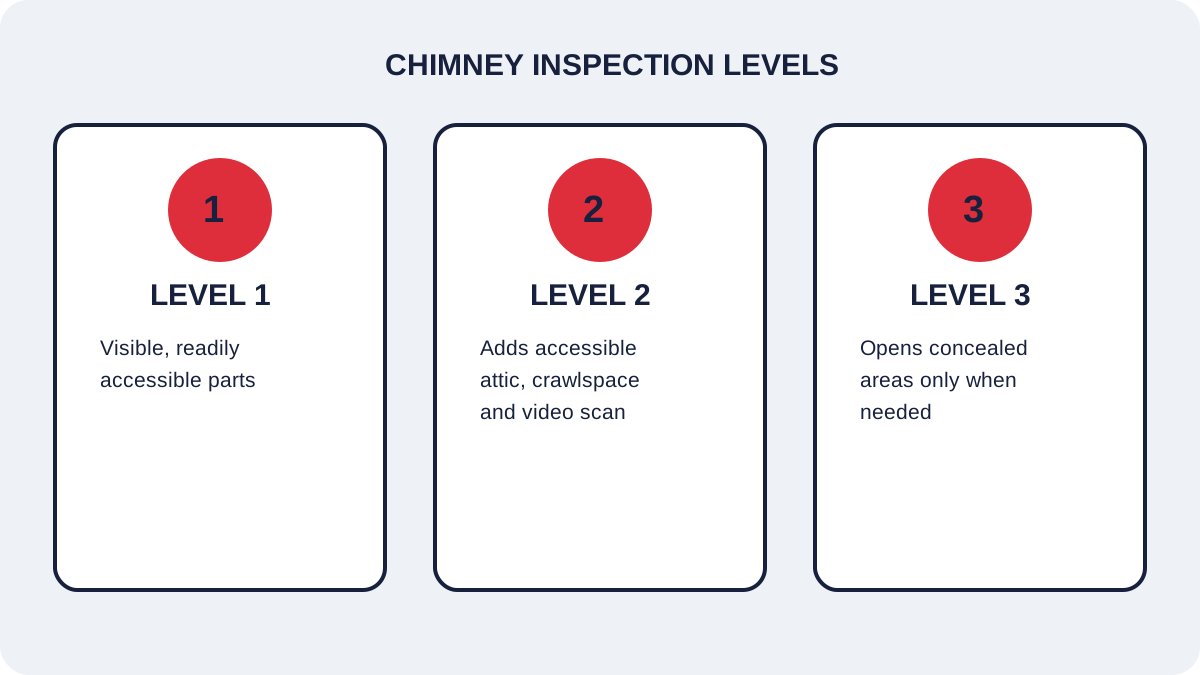
A Level 1 is the right call for a normal annual check, a house you just moved into, or a chimney that sat unused for a season. It’s a full visual pass. That’s what the $59 covers.
A Level 2 adds the camera. You get the interior of the flue on video instead of a guess based on what’s visible from the firebox. That’s the level most real estate deals call for, so the buyer or lender has something in writing before the sale closes.
If you’re under contract, book it early enough that you get the report before the contingency period closes. A rushed inspection booked after that deadline has already passed doesn’t help anyone. Buyer or seller.
A Level 2 is also the right call after a chimney fire, before you reline a flue, or when a Level 1 turns up something a flashlight can’t fully explain.
There’s a third tier in the trade, a Level 3. It goes further still and can mean opening part of the chimney structure to see what’s hidden behind it. The rest is priced on site, after someone has looked at it.
When you don’t need the camera
If your chimney was swept and inspected within the last year, and nothing’s changed since, meaning no new appliance, no chimney fire, no sale in progress, a Level 1 is usually enough. Paying for a video scan every single year on a chimney that’s behaving normally is money spent confirming what the visual check already told you for free.
The exception is the foothills. Wood heat is the norm out past Auburn and up into Grass Valley and Nevada City, not the occasional evening fire valley homeowners get in Sacramento. That kind of daily burning through a whole winter builds creosote fast enough that skipping the camera on an older flue up there is a real gamble. On a valley chimney that only gets lit four or five times a season, it usually isn’t.
What people say once the number’s real
“The owner was incredibly prompt, professional, and highly communicative.” That’s Brian, on a chimney leak repair, a different job, but the same person who’d run your Level 1 or Level 2. For more of what past customers have said, including the times something needed fixing after the fact, read what people say when the job goes wrong and we fix it.
Google has it at 4.95 across 62 reviews as of this writing. That’s a small enough number that you can read all of them instead of trusting an average. Michael replied to all 62 personally.
Booking the inspection
Every inspection is Michael, in person. Americas Chimney Sweep is licensed CSLB #1150991, C-29 Masonry, and books seven days a week, 7 AM to 7 PM. The service area runs across five counties out from Nevada City, so ask when you call if you’re not sure you’re in range.
When you’re ready, you can see live availability and pick a window instead of waiting on a callback. The $59 inspection is deducted from the work if you proceed.
Is a chimney inspection free?
No, it’s $59, not free, and I’d be wary of anyone who tells you it is. A free inspection usually means five minutes with a flashlight aimed at selling a sweep. Mine runs the full Level 1 check, and that $59 comes off your bill the moment you approve any work it turns up.
What does a chimney inspection include for the price?
The $59 covers a full Level 1 look: the firebox, damper, crown, cap, and as much of the flue as a flashlight reaches from the accessible ends, top and bottom. It’s not a five-minute glance. I’m checking for cracks, water staining, and buildup before I ever mention a repair.
Quick answers on price
How much does a chimney inspection cost?
A Level 1 inspection here runs $59. That’s credited into the job if you move forward with any repair or cleaning it turns up. You pay the $59 outright only if you decide not to proceed. A Level 2, which adds a camera scan of the flue, is priced on site once the scope is clear.
How much does a Level 2 chimney inspection cost?
There’s no flat rate for a Level 2 chimney inspection cost here. The rest is priced on site, after the Level 1 visual check shows what the camera needs to reach and how far.
Is the $59 inspection fee refundable?
Not refundable, but it isn’t wasted either. It’s deducted from the job total if you go ahead with any work the inspection finds. You pay it as a standalone fee. Only if you decide not to proceed.
Do I need an inspection every year?
Most valley homeowners who burn occasionally are fine on an annual visual check. If you’re heating with wood daily through a foothill winter, or you just bought a house with an unknown chimney history, book sooner. It’s worth it, rather than waiting for the date on the calendar.
What happens if the inspection finds something big?
You get a price in person, on the spot, for whatever it is. Six common jobs have a published starting price. Everything past that, like a full reline or a masonry rebuild, depends on the situation enough that a number given over the phone before anyone’s looked would just be a guess. Michael quotes the bigger repairs after he’s actually seen them.